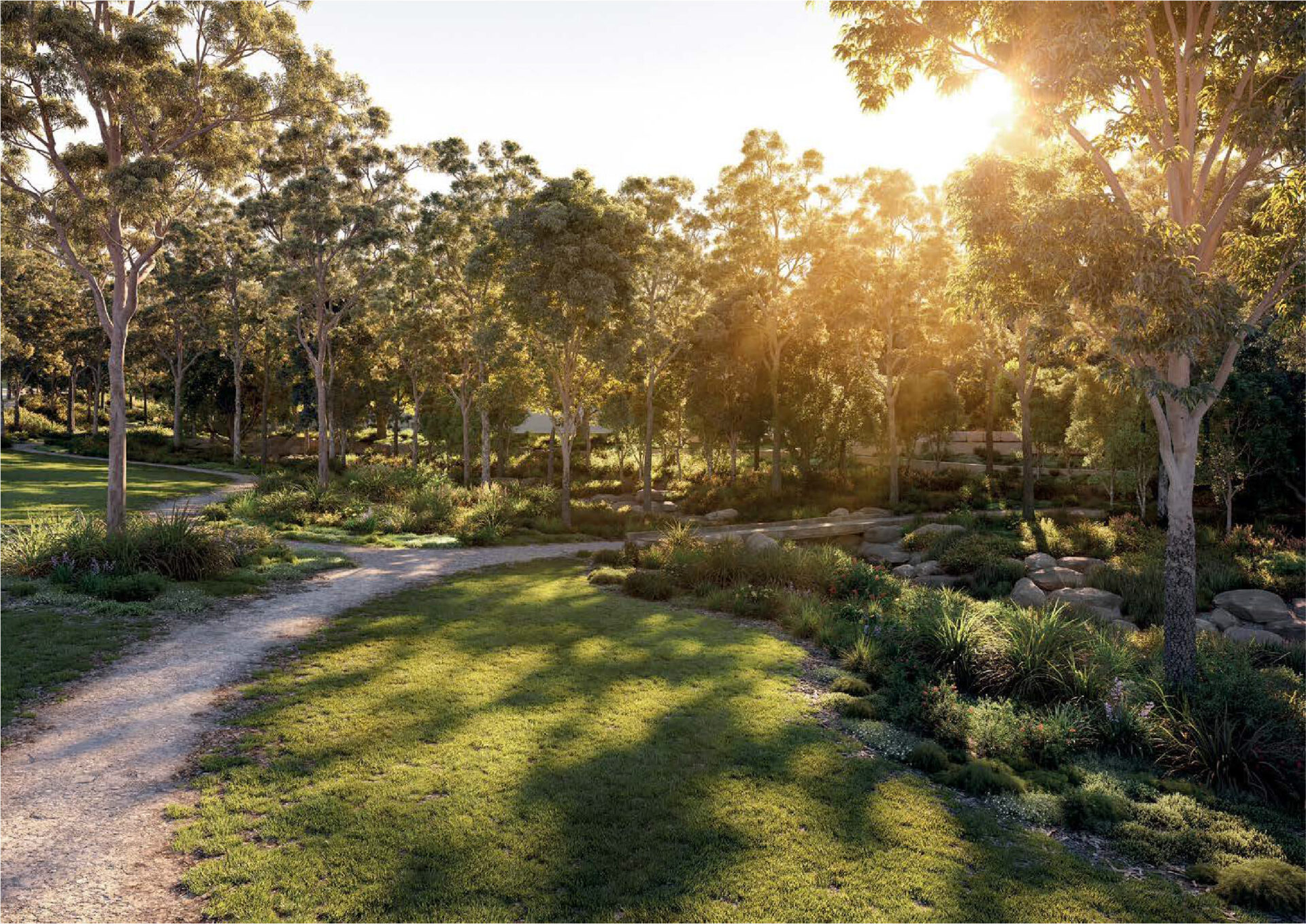
Climate Context
- Round Mountain has a humid subtropical climate with:
- Hot, humid summers
- Mild winters
- Year-round sunshine
- Climate-responsive design improves comfort and reduces household running costs.
House Location
- Identify north, east, south, and west on your lot before designing.
- Understanding orientation helps optimise sunlight and cooling breezes.
- Climate-responsive homes are achievable on all lot orientations.
House Design
- Position living areas on the north and east sides with large windows for best light and temperature control.
- Use large windows and doors connected to covered outdoor areas to enhance airflow and extend living spaces.
- Locate non-habitable rooms (bathrooms, laundry, garage) on the south and west sides to:
- Reduce afternoon heat gain
- Shield the home from cold south-west winds
- 450 mm minimum eaves are required on habitable rooms, especially to western and southern sides.
- Increased setbacks between homes can improve airflow and garden space.
- Open-plan layouts encourage natural cross-ventilation.
- Ceiling fans improve indoor and outdoor air circulation.
- Whirlybirds help remove heat from roof spaces in summer.
Building Materials
- Lighter colours reflect heat and help keep homes cooler.
- Darker colours absorb heat and increase indoor temperatures.
- Lightweight materials (e.g. timber, fibre cement) can improve comfort compared to traditional brick and tile construction.
- Contain recycled or renewable content.
- Are sourced locally where possible to reduce transportation impacts.
- Have a lower environmental impact during manufacturing.
- Are durable, easy to maintain and built to last.
- Can be reused or recycled at the end of their life.
- Have recognised environmental certifications from independent organisations.
- Consider using low-VOC paints, adhesives, and sealants to help improve indoor air quality within your home.
Landscaping
- Use trees with large canopies to:
- Provide summer shade
- Reduce glare
- Tree species and placement should support cooling breezes.
Water Tanks
- Rainwater tanks are encouraged and:
- Harvest rainwater
- Reduce stormwater runoff
- Lower reliance on mains water
- Reduce water bills
- Suitable for non-potable uses, including garden irrigation.
Water Efficient Fixtures
- Showerheads with a flow rate of less than 7.5 litres per minute.
- Bathroom, kitchen and laundry taps with a flow rate of less than 6 litres per minute.
- Dishwashers that use 14 litres of water or less per cycle.
- Washing machines that use 90 litres of water or less per cycle.
Solar Panels
- Solar panels help:
- Lower electricity costs
- Reduce carbon footprint
- Solar batteries provide energy independence and reduce reliance on the electricity grid.
Energy-Efficient Appliances
- Energy-efficient appliances:
- Reduce household energy bills
- Lower greenhouse gas emissions
- Minimise environmental impact